Buying Guide
What a Home Inspection Actually Covers in Woodbury, MN (2026)
A walk-through of what a Minnesota home inspection checks, what it doesn't, what it costs, and what to do with the results before you close.
Quick Answer
A standard Minnesota home inspection covers the home's major systems and structure — roof, foundation, electrical, plumbing, HVAC, and visible signs of water intrusion — typically taking two to four hours and costing a few hundred dollars depending on home size. It does not include radon testing, sewer scope, or well/septic inspection by default; those are separate services worth adding given Minnesota's basements and older housing stock. After the inspection, buyers can negotiate repairs, ask for a credit, or in some cases walk away, depending on what the purchase agreement allows.
Key Takeaways
- A standard home inspection covers major systems and structure, but not everything — radon, sewer scope, and well/septic testing are typically separate add-on services.
- Minnesota's basements and older housing stock make radon testing and sump pump/water intrusion checks especially worth prioritizing.
- Inspections typically take two to four hours depending on home size and are usually scheduled within the first week after your offer is accepted.
- Inspectors identify problems; they generally don't estimate exact repair costs — get contractor quotes for anything significant before negotiating.
- What you can do with inspection findings (repair requests, credits, or walking away) depends on the specific contingency language in your purchase agreement.
Who this is for: Buyers under contract or about to make an offer on a home in Woodbury or the East Metro.
When this applies: General overview of Minnesota home inspection practices as of 2026; specific inspector scope, pricing, and contract terms vary and should be confirmed directly.
Of all the steps between an accepted offer and closing day, the home inspection is the one that actually tells you what you're buying — not the listing photos, not the showing, but an independent, systematic look at the home's real condition.
What a Standard Inspection Actually Covers
A general home inspection, following standards like those published by the American Society of Home Inspectors (ASHI), covers the home's major systems and structure:
What's typically included in a standard inspection
- Roof, gutters, and visible exterior condition
- Foundation, basement, and structural components
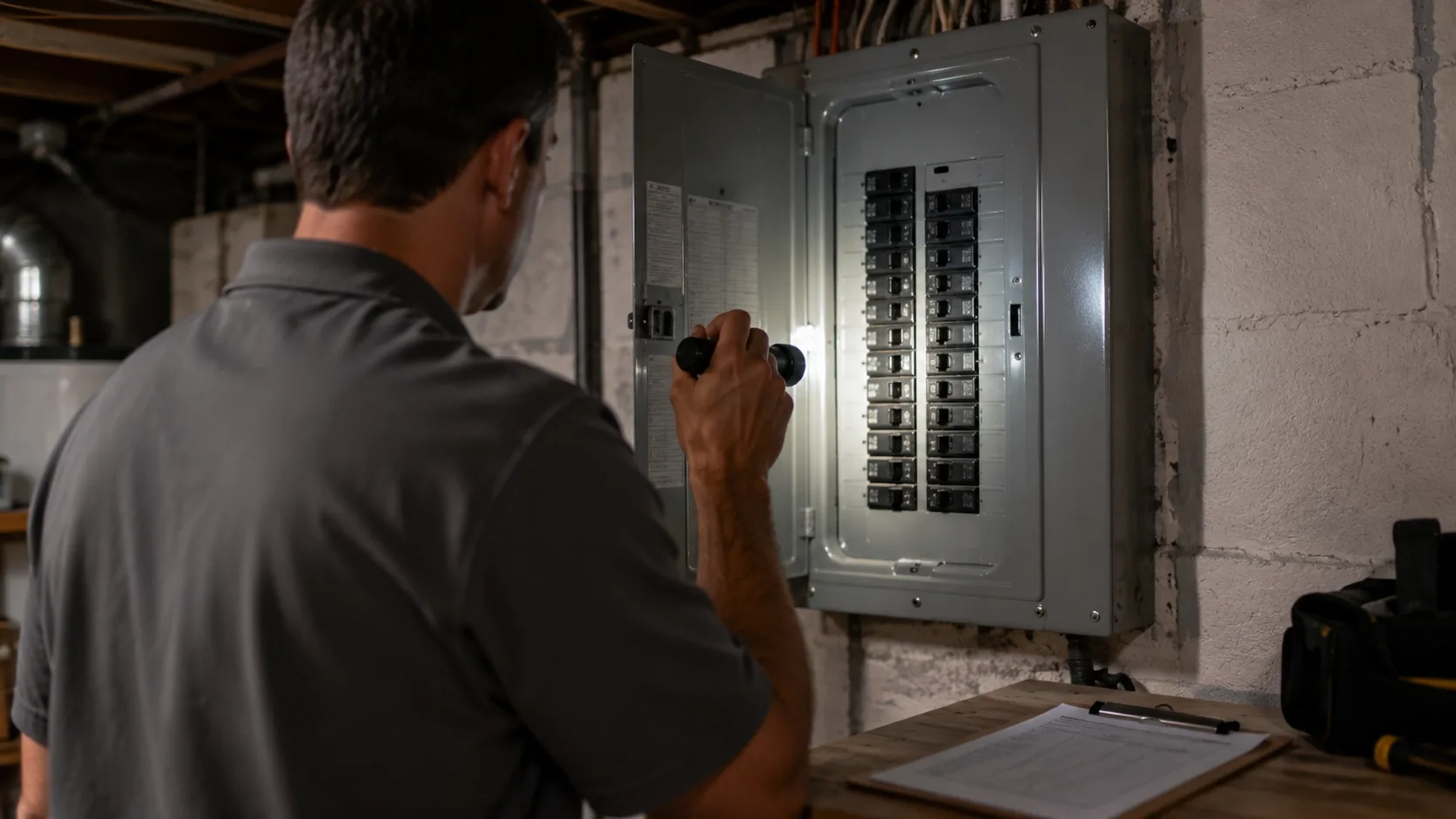
- Electrical panel and visible wiring
- Plumbing fixtures, visible pipes, and water heater
- HVAC (furnace and central air) function and age
- Windows, doors, and insulation basics
- Visible signs of water intrusion, mold, or pest damage
Inspectors identify, they don't estimate repair costs
A good inspector will tell you what's wrong and how serious it looks, but generally won't give you an exact dollar figure to fix it. For anything significant, get an actual contractor quote before deciding how to negotiate.
What a Standard Inspection Does NOT Cover
Separate add-on
Radon Testing
Separate add-on
Sewer Scope
Separate add-on
Well/Septic Testing
Not included
Destructive Testing
These exclusions matter more in Minnesota than in some other states. Given the state's basements, older housing stock in some neighborhoods, and naturally occurring radon in the soil, several of these add-ons are worth strong consideration rather than automatically skipping.
Dave's Local Insight
I recommend radon testing on nearly every purchase I work on, regardless of the home's age. It's inexpensive relative to what it tells you, and Minnesota's radon levels are notably higher than the national average in many areas.
Why Radon Testing Matters Specifically in Minnesota
Minnesota has some of the highest average indoor radon levels in the country, largely due to regional soil and geology. Radon is a naturally occurring, odorless gas linked to long-term health risks, and testing is simple, inexpensive, and typically takes just a few days to get results. It's not part of a standard inspection by default, so you need to specifically request it.
What Inspection Timing Looks Like
- 1
Offer accepted
Your purchase agreement typically includes an inspection contingency with a specific deadline.
- 2
Schedule the inspection
Usually within the first few days after your offer is accepted, to leave time for negotiation before the contingency deadline.
- 3
Inspection day
Typically two to four hours depending on home size; buyers are encouraged to attend in person.
- 4
Review the report
You'll typically receive a written report within a day or two, sometimes with photos.
- 5
Negotiate if needed
Request repairs, a credit, a price adjustment, or in serious cases, exercise your right to walk away, per your contract terms.
What You Can Actually Do With the Results
| Finding Severity | Common Buyer Response |
|---|---|
| Minor/cosmetic issues | Often noted but not negotiated — normal wear and tear on most homes |
| Moderate repair items (e.g., aging water heater) | Request a seller credit or repair, or negotiate price |
| Major structural or safety issues | Request significant repairs, a substantial credit, or in some cases exercise the inspection contingency to walk away |
| Radon above recommended action levels | Commonly negotiated as a seller-installed mitigation system or credit toward one |
A Simple Way to Think About It
Did the inspection turn up major structural or safety issues?
Yes
Get a contractor quote for the specific issue, then discuss with your agent whether to negotiate repairs, a credit, or exercise your contingency.
No
Minor items are often just noted for your own maintenance planning rather than negotiated.
Did you add radon, sewer scope, or well/septic testing?
Yes
Review those results alongside your main report — mitigation for radon, for instance, is a common and reasonable ask.
No
Consider whether it's worth adding, especially for radon given Minnesota's typical levels.
Bottom Line
A home inspection is one of the most valuable tools a buyer has, but only if you understand what's actually included in the standard scope versus what requires an add-on. In Minnesota specifically, radon testing deserves real consideration given the state's typical soil radon levels, and buyers should always confirm their specific contingency rights with their agent before assuming what's negotiable after the report comes back. This applies just as much to new construction as it does to resale — a brand-new home still benefits from an independent, third-party inspection. Once your inspection is behind you, the home appraisal is typically the next independent check your loan goes through before closing.
Frequently Asked Questions
Related Questions
Sources

Written by Dave Brown
REALTOR®, LPT Realty
Dave Brown is a REALTOR® with LPT Realty who has spent his career helping families buy, sell, and settle into life in Woodbury, Minnesota and the surrounding East Metro. He writes Woodbury Living as a local resource first and a business second — every guide is meant to leave you better informed, whether or not you ever work together.
Making an offer soon and want to talk through the inspection process?
Dave can walk you through what to expect and help you find a qualified local inspector before your offer is even accepted.
Related Articles
Closing Costs When Buying a Home in Woodbury, MN
What to budget for once your inspection is done and you're heading to closing.
First-Time Home Buyer's Guide to Woodbury, MN
Where inspection fits into the full home buying timeline.
Weather & Seasons in Woodbury, Minnesota
Why Minnesota's climate makes certain inspection items especially worth prioritizing.